MCP Server: What It Is and Why It Will Be Key to How Companies Use Artificial Intelligence
🧠 MCP Server: What It Is and Why It Will Be Key to How Companies Use Artificial Intelligence (Explained for Non-Technical People)
📖 A Story to Understand MCP Server
Imagine you’re the director of a large company with one hundred employees specialized in different areas: sales, accounting, human resources, logistics, etc. Each one has their own filing cabinet, their own way of working, their own way of storing information.
One day, you hire a new very intelligent assistant (let’s call them AI). They’re fast, capable, and want to help. But there’s a problem: they don’t understand anything about how your company works.
- Sales speaks in customer numbers and commissions.
- Accounting uses accounting entries and account balances.
- Logistics has inventory codes and distribution routes.
- Everyone is in a different office, with different systems.
Your new assistant arrives and gets lost. They don’t know who to ask, how to request information, where to find data. The filing cabinets are scattered throughout the building.
So you hire someone to be the intermediary between your assistant and all departments. This person (the MCP Server) learns:
- Where each piece of information is
- What format each department uses
- How to speak each one’s language
- What the assistant can and can’t do
Now your assistant just has to go to this person, ask a question in their language, and MCP Server handles translating, searching, bringing the information in the correct format, and ensuring everything is safe and authorized.
That’s MCP Server: the intelligent translator that connects AI with the complexity of a company’s real systems.
🎯 Now, Let’s Look at the Technical Reality
In recent months, Microsoft has introduced a new component in its enterprise AI ecosystem called MCP Server. It may sound technical, but its purpose is simple:
to make AI able to talk to your business systems more intelligently, more safely, and without complications.
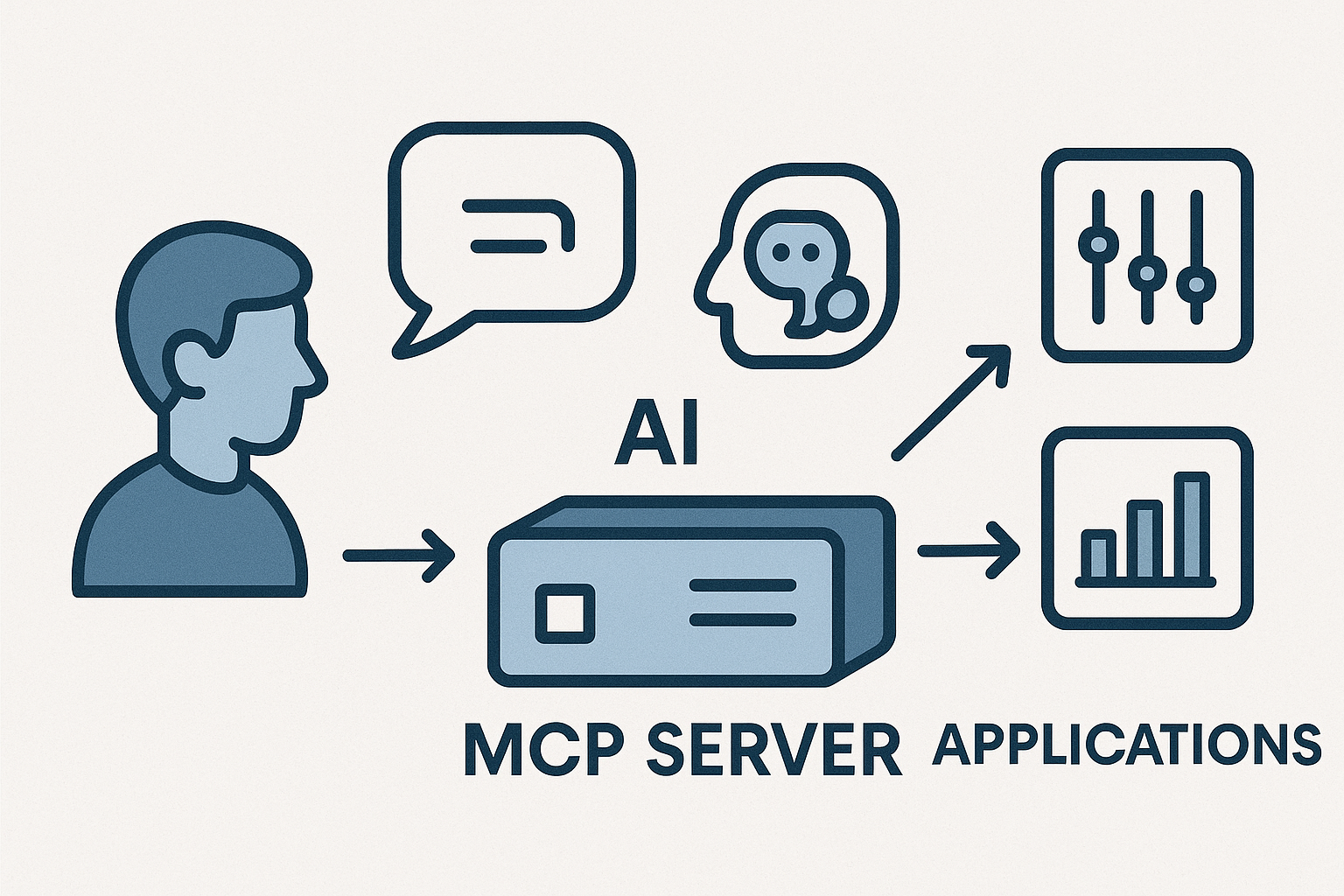
🧩 What Is MCP Server?
Let’s keep it simple:
👉 MCP Server is an intelligent bridge between Artificial Intelligence and a company’s systems.
For an AI assistant to be able to answer questions like:
- “Show me sales from the last quarter.”
- “Create a support ticket for this issue.”
- “Update this customer’s address.”
… it needs to understand where the data is, how to access it, what rules to follow, and how to translate that information into the language AI understands.
Before, this required complex integrations, different APIs for each system, weird formatting, and lots of technical intervention.
MCP Server arrives to simplify it all.
📌 Simple Definition:
It’s a standardized intermediary that connects AI models to any business system securely, clearly, and uniformly.
🧠 Why Did Microsoft Create It?
Until now, each company had a mix of their own tools, APIs, formats, languages, and connectors. AI couldn’t work well in that chaos.
But we’re entering an era where:
- People talk to AI (“Make the report for me”, “Review this data”…).
- AI executes tasks across multiple systems.
- Business processes automate with natural language.
For this to work, AI needs a common language and a standard way of communicating with any system.
That common language is MCP (Model Context Protocol).
And MCP Server is the piece that companies install so AI can connect to their systems using that standard.
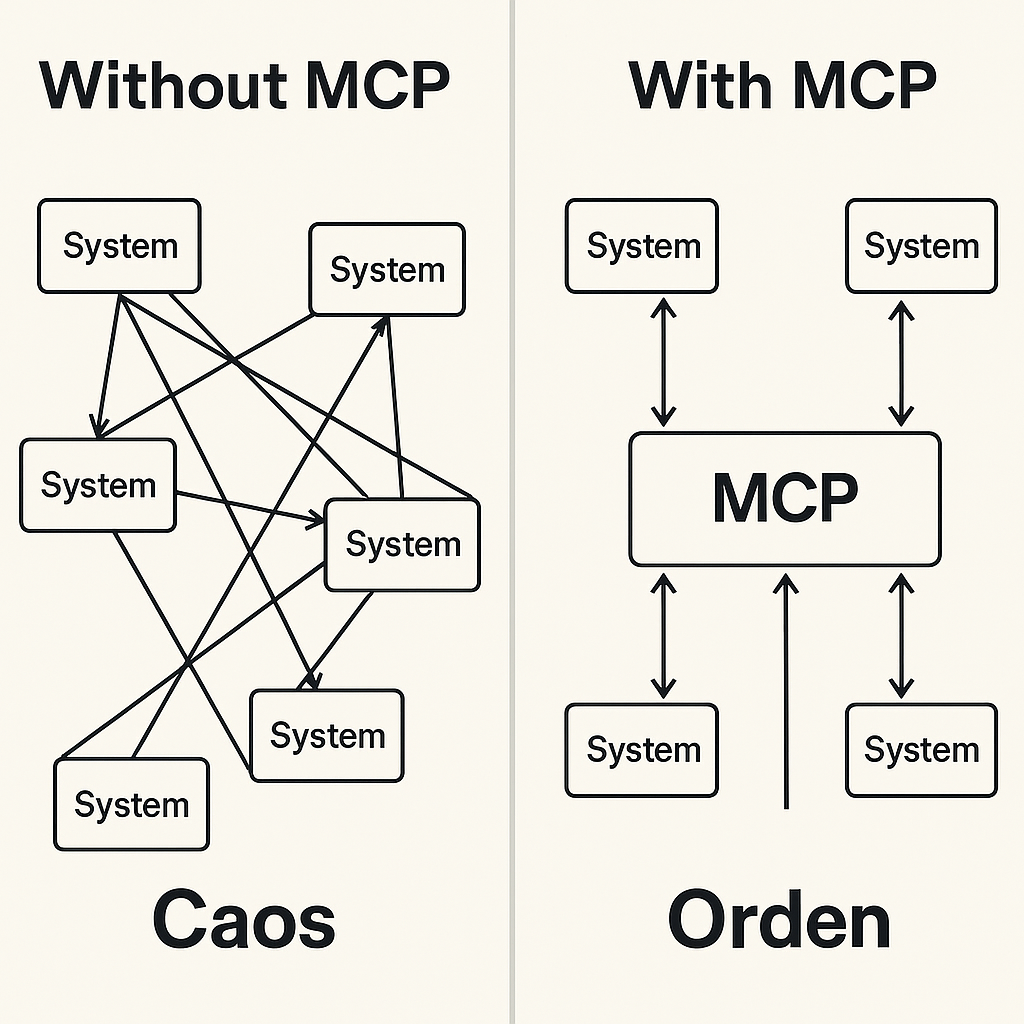
📦 What Does MCP Server Actually Do?
Translates
Connects, queries, formats and delivers.
Unifies
A single point of entry.
Security
Full access control.
Organizes
Explicit capabilities.
🧭 A Everyday Example: The Mechanic and His Toolbox
Imagine you take your car to the mechanic.
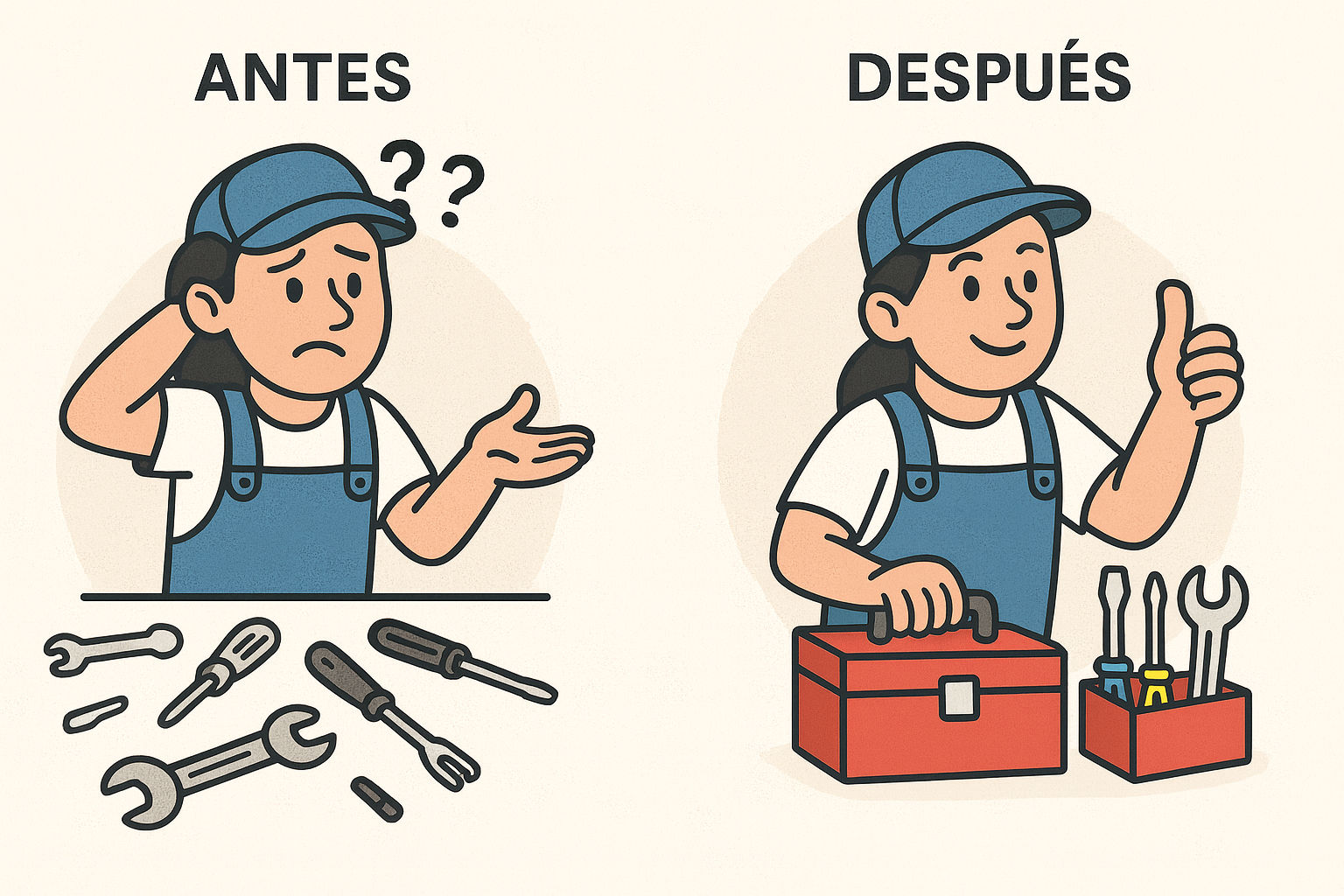
The mechanic doesn’t improvise:
they have an organized toolbox, and each tool is for a specific action.
- If they need to loosen a part, they use a wrench.
- If they need to check a battery, they use a tester.
- If they need to lift the car, they use a lift.
- If they need to change a tire, they use an air gun.
The mechanic understands the task and chooses the right tool.
Now imagine the opposite: instead of an organized box, the mechanic had:
- mixed-up tools,
- some repeated,
- some rusty,
- and no labels explaining what they’re for.
They’d take longer, make mistakes, and the experience would be chaos.
🟦 Before MCP Server
AI was like a mechanic without a clear toolbox.
Each company system was different, used a different “language,” and accessed data in non-unified ways.
AI had to guess how to ask for data or execute an action.
🟩 With MCP Server
MCP Server is the mechanic’s toolbox, but for Artificial Intelligence.
- It explains what tools exist.
- It tells you what each one is for.
- It offers you permission to use them.
- It shows you how to use each tool correctly.
So when AI receives a request like:
“Create a new order,"
"Show me this month’s sales,"
"Update the customer’s address,”
MCP Server acts like an experienced mechanic:
- Understands the task.
- Finds the corresponding tool.
- Checks that it has permission to use it.
- Executes the action safely and precisely.
Nothing improvised. Nothing ambiguous.
Everything clean, explained, and under control.
🔐 Is It Safe?
Much safer than any classic integration.
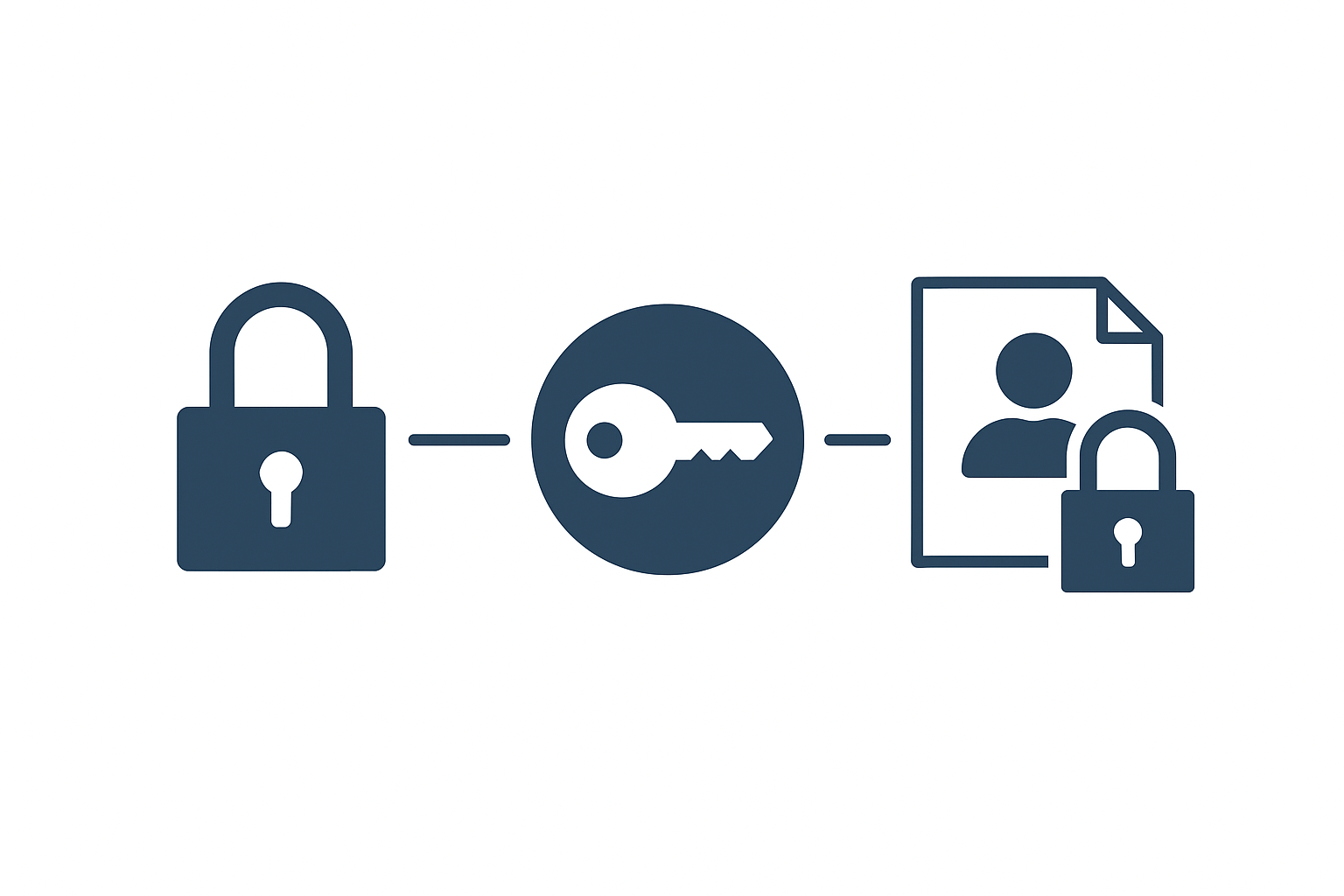
MCP Server allows you to control:
- what actions AI can execute,
- what data it can see,
- in what context,
- with what permissions.
It doesn’t expose databases.
It doesn’t open insecure doors.
It doesn’t allow AI to “improvise” calls.
Everything is explicit, authorized, and monitored.
🚀 Why Is It a Revolution?
Because it eliminates the biggest roadblock AI had in companies:
connecting to real systems safely and in a standardized way.
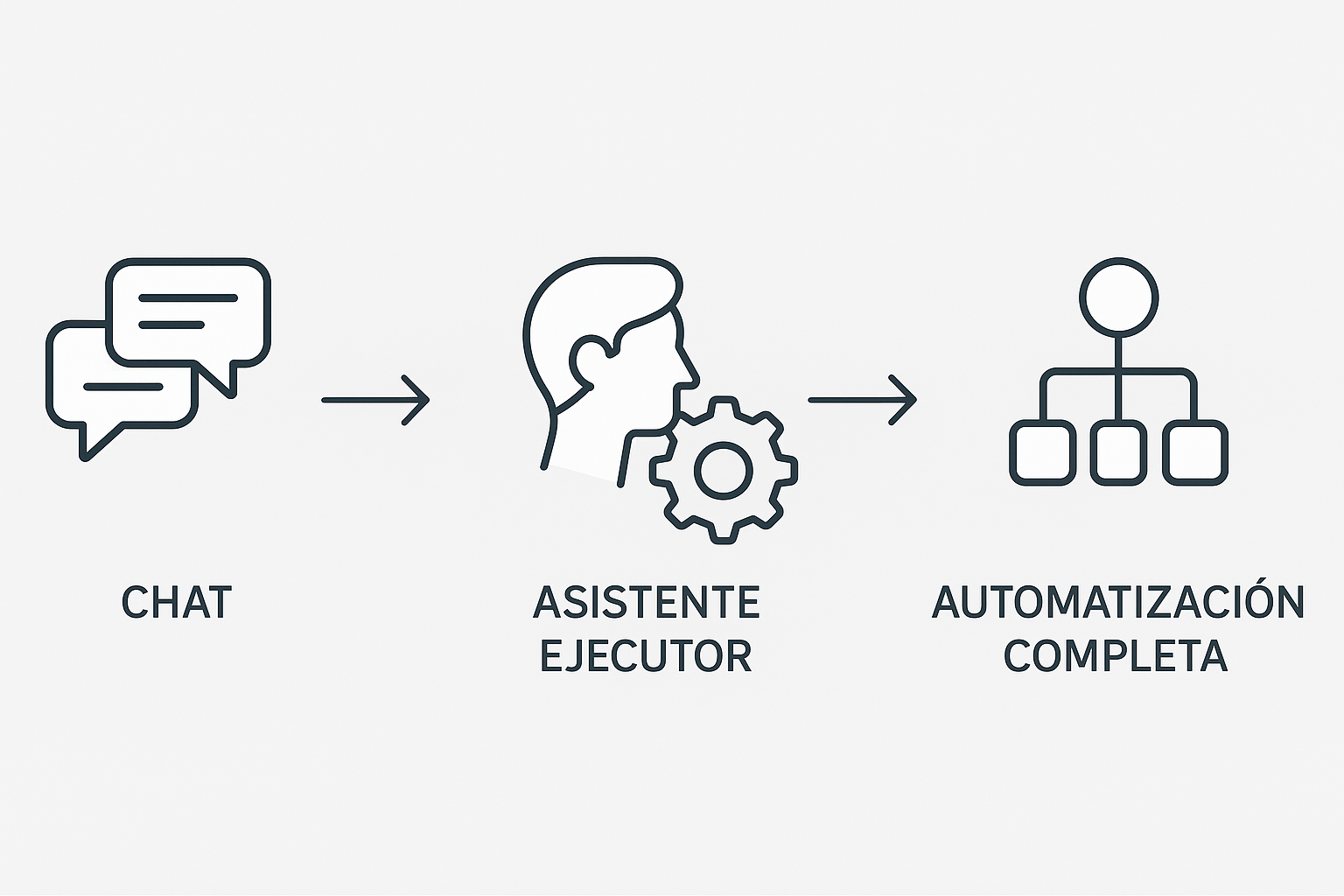
With MCP:
- AI stops being “just a pretty chat”.
- It starts to do real work inside the company.
- It executes complete processes.
- It interprets data.
- It automates complex tasks.
And it does this without huge development or custom integrations.
🧩 In Summary for Non-Technical People
| Question | Clear Answer |
|---|---|
| What is it? | An intelligent bridge between AI and a company’s systems. |
| What’s it for? | So AI can read data and execute tasks. |
| Why is it important? | Because it allows automating real processes with AI. |
| Is it safe? | Yes, it controls exactly what AI can do. |
| What problem does it solve? | The complexity of integrating AI with internal systems. |